Mark Schniepp
Mid November 2025
Global Growth 
A slight slowdown in world economic growth is forecast by the International Monetary Fund (IMF) which might produce a drag on U.S. growth but probably not much. Their GDP estimate for the world is 3.1 percent.
The IMF, never really noted for its ability to forecast, does have inflation contracting throughout the world, but cites uncertainty and labor supply shocks as factors that could reduce growth. Uncertainty is always present in some shape or form. We’ve had plenty of uncertainty this year and yet U.S. GDP growth was 3.8 percent in quarter 2 and is estimated at 4.1 percent in quarter 3, according to GDPNOW.
Labor supply shock is an event which would reduce the overall supply of available workers. Well, that risk is always present. It occurred with the pandemic, and it is occurring in the U.S. now in some industries like construction and food services due to deportations.
But a labor supply shock could be a blessing in disguise because we are not forecasting much job growth in advanced economies due to the rapid conversion to labor saving technologies that has grown especially pervasive in the U.S. this year.
U.S. Economy
The consensus forecast at this time (late 2025) is 1.8 percent growth for the U.S, an improvement over the 1.4 to 1.8 percent projection by organizations earlier this year.
The UCLA Anderson forecast in their September report is for 1.1 percent GDP growth, but it will likely be revised upward with their newest update in early December.
The forecast for inflation in the U.S. ranges from 2.9 to 3.5 percent, with Peterson, an outlier predicting 4.5 percent for the consumer price index. UCLA Anderson forecast has consumer price inflation averaging 3.2 percent in 2026.
The Government Shutdown
Late last week’s conclusion of the record 43-day federal government shutdown will enable restoration of key government functions and resume the flow of economic data critical to us economists and policymakers. However, it will take days, weeks and in some cases—months—before all operations are normalized again. While the immediate damage to the economy appears limited, the shutdown’s impact, including delayed spending, suspended contracts, and worker furloughs—are expected to impact overall economic growth in quarter 4. The early estimate is that we will see a half-point reduction in GDP growth. This, however, will be made up in the first two quarters of 2026.
Risks to the Upside
I’m citing upside risks because many of the downside risks already seem to be embedded in the baseline estimates presented above. This includes sticky inflation, tariff uncertainty and aversion, geopolitical anomalies, and labor force availability.
The upside risks are (1) accelerated growth from AI investments and (2) clear productivity results, (3) lower inflation than expected enabling the FED to continue easing monetary policy benefitting interest rate sensitive sectors, namely the housing market, and (4) stronger corporate earnings supporting higher stock market values.
A less volatile global political environment in 2026 should improve global growth, providing fiscal problems facing European and Asian countries can be contained or limited.
AI Vulnerability
A looming risk that even I will admit to is that continuing U.S. growth depends on whether today’s optimism about AI is sustained. The expanding use of AI has boosted productivity and output. This will likely continue in 2026 and over time but the path to those gains may be uneven. With business investment and household spending so dependent on confidence in the potential of AI to increase productivity and reduce costs, any setback could disrupt momentum and expose the underlying drag from tariffs, restrictions of immigration, and other policy changes, which would lower the economy’s potential in 2026.
The Labor Market
This is an area of the economy that is being seriously impacted in 2025. No meaningful turnaround in job creation is forecast for 2026, by anyone. Entry level workers will continue to find difficulty landing jobs and fewer job openings will be available overall. Particular sectors such as healthcare and accommodation and food services will provide opportunities for employment. But in industries where AI is being adopted for replacing labor intensive functions, such as software development, professional services, customer service, translators and proofreading, and some data analysis, the industry-wide workforces are likely to contract in 2026.
Until more jobs are created in AI than AI is replacing, the broad-based adoption of new technologies by firms across all sectors will continue
to challenge job creation.
The California Economic Forecast is an economic consulting firm that produces commentary and analysis on the U.S. and California economies. The firm specializes in economic forecasts and economic impact studies, and is available to make timely, compelling, informative and entertaining economic presentations to large or small groups.
 emerged. The “Hamburger Helper” indicator suggests more weakness in the economy than the forecast consensus. Sales of the product are up 15 percent over the last 12 months. Packaged complete meal products like this tend to increase when economic conditions deteriorate because of the savings they offer.
 through August is at the highest number since the pandemic.
 companies as adoption of AI systems in software development, computer board and component design, web development, data analytics, and advanced manufacturing products continues to evolve.
 been minor, are the result of more people entering the labor force and outpacing the rate of job creation which remains positive.
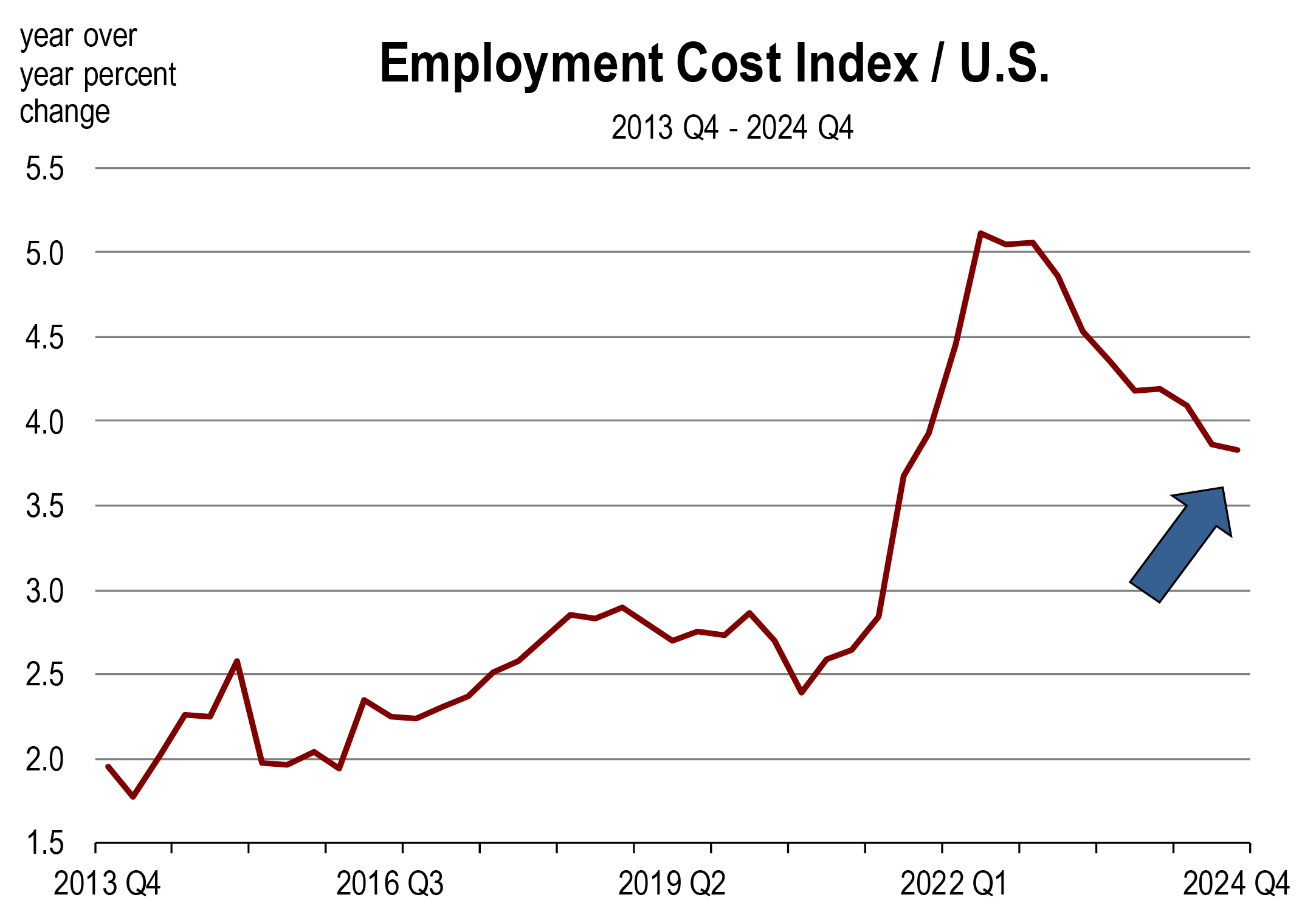
 there is still a moderate level of unfilled job openings, which have resulted in relatively high levels of wage growth. Deportations are contributing to this. Over the last year, nominal wages have grown at a rate averaging 4.3 percent, eclipsing inflation.
 but still remain low by historical standards.


 Inflation is still an issue for the economy. The CPI for June still shows a 2.7 percent inflation rate over the last year. Fortunately, the 2025 calendar year trend for CPI inflation is decidedly down, but we still face tariffed goods coming into the U.S. and especially as the holiday season ramps up. Consumers may substitute successfully enough to avoid tariff inflated priced goods but this circumstance remains a wait and see.
 market.


 displace. Healthcare is the only private labor market that has consistently created jobs over the last 5 years. But even here, AI is now capable of replacing social workers, therapists, nursing assistants, and laboratory technicians. This will undoubtedly begin to reduce the rate of positive job growth that we’ve been observing in California healthcare since 2020.
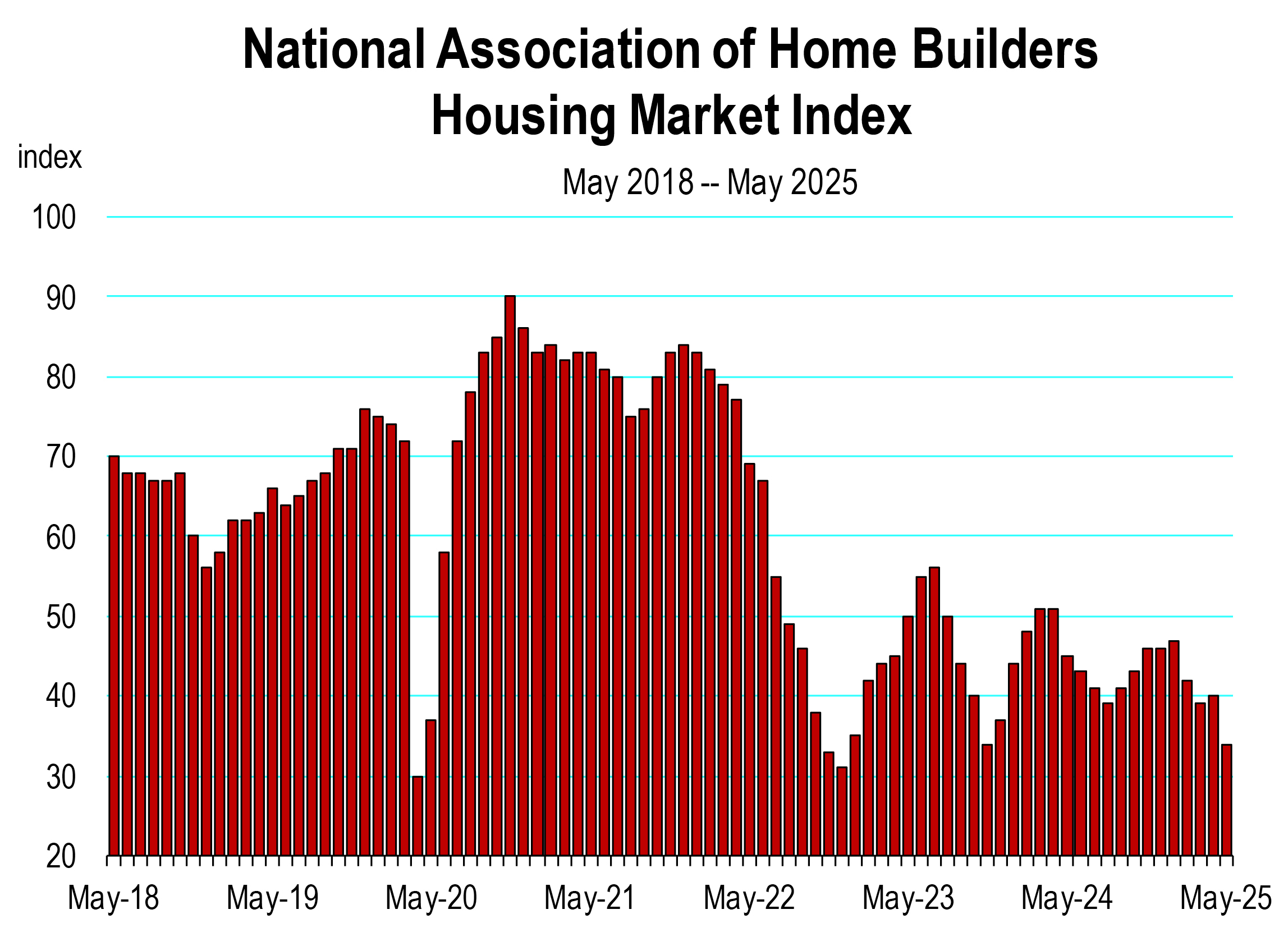
 the rapid onset of AI which has been the case since 2023.
 California survey of respondents was optimistic regarding construction business activity in 2025. Nearly 63 percent of those surveyed expect modest growth in overall business activity this year.
 for construction materials along with unknown cost hikes due to tariffs has delayed project starts this year.
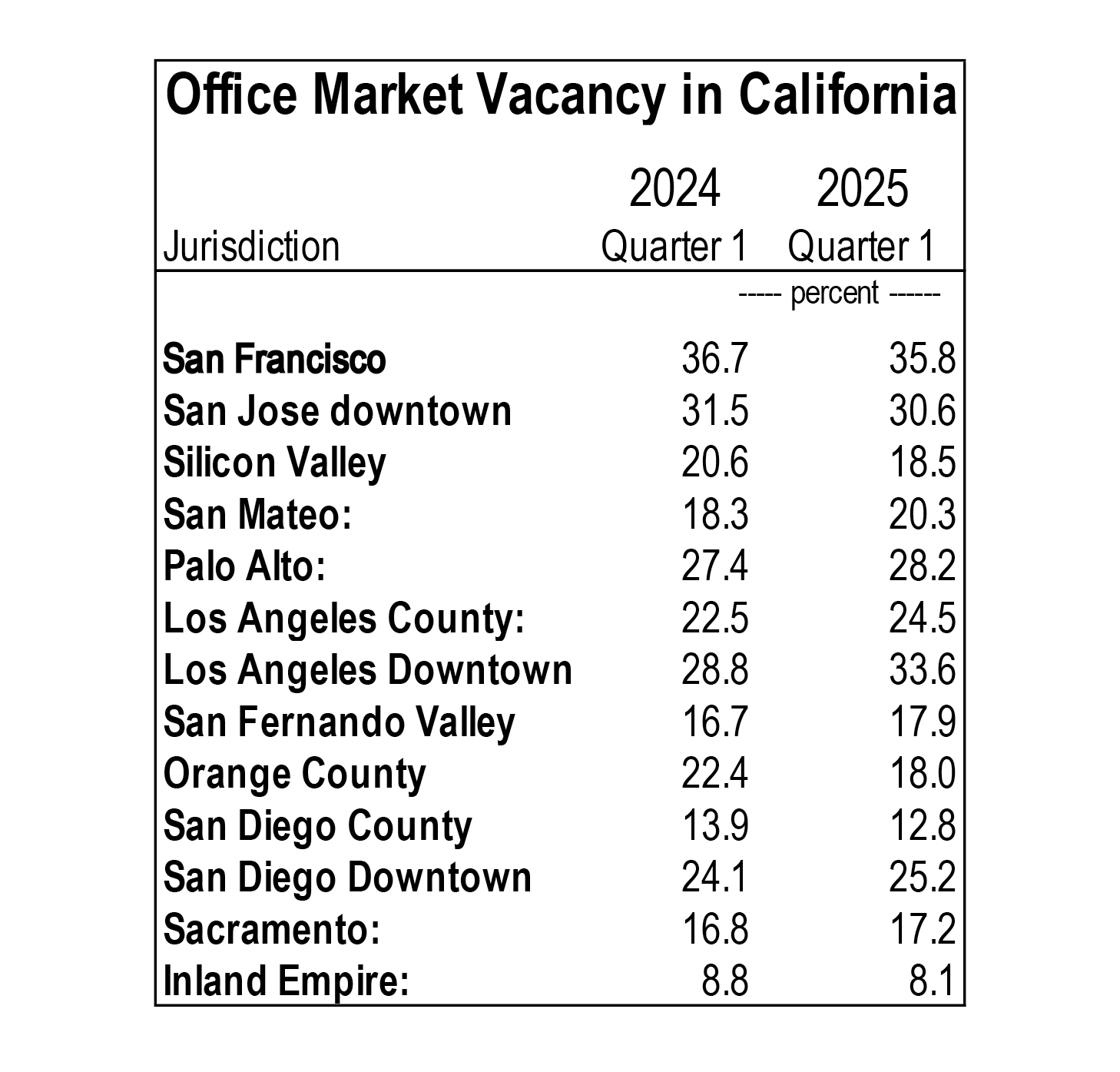 the BART Silicon Valley tunneling project.


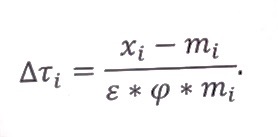
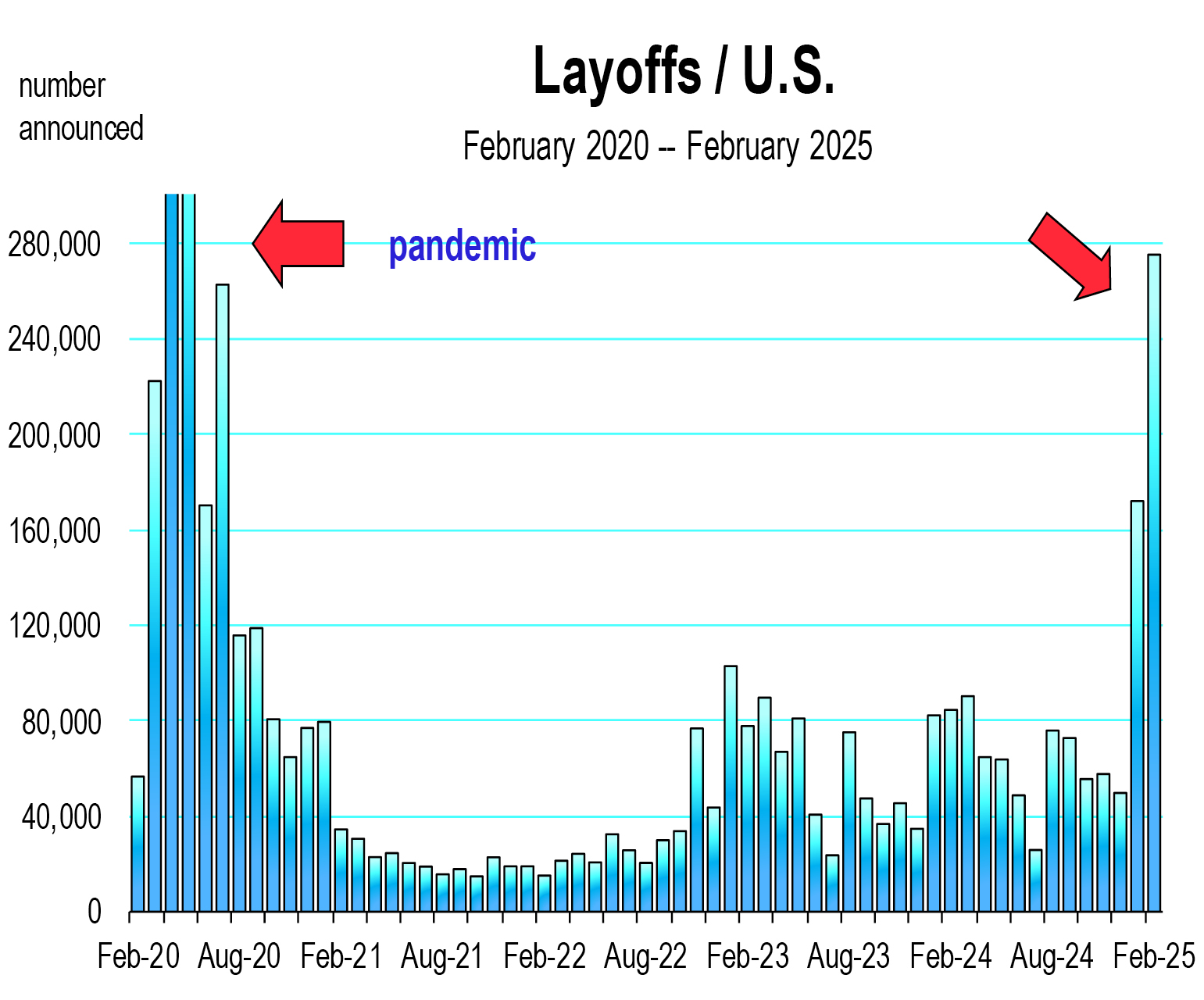 monthly Challenger Report on layoffs and the weekly unemployment insurance claim reports to monitor the possibility of higher rates of unemployment.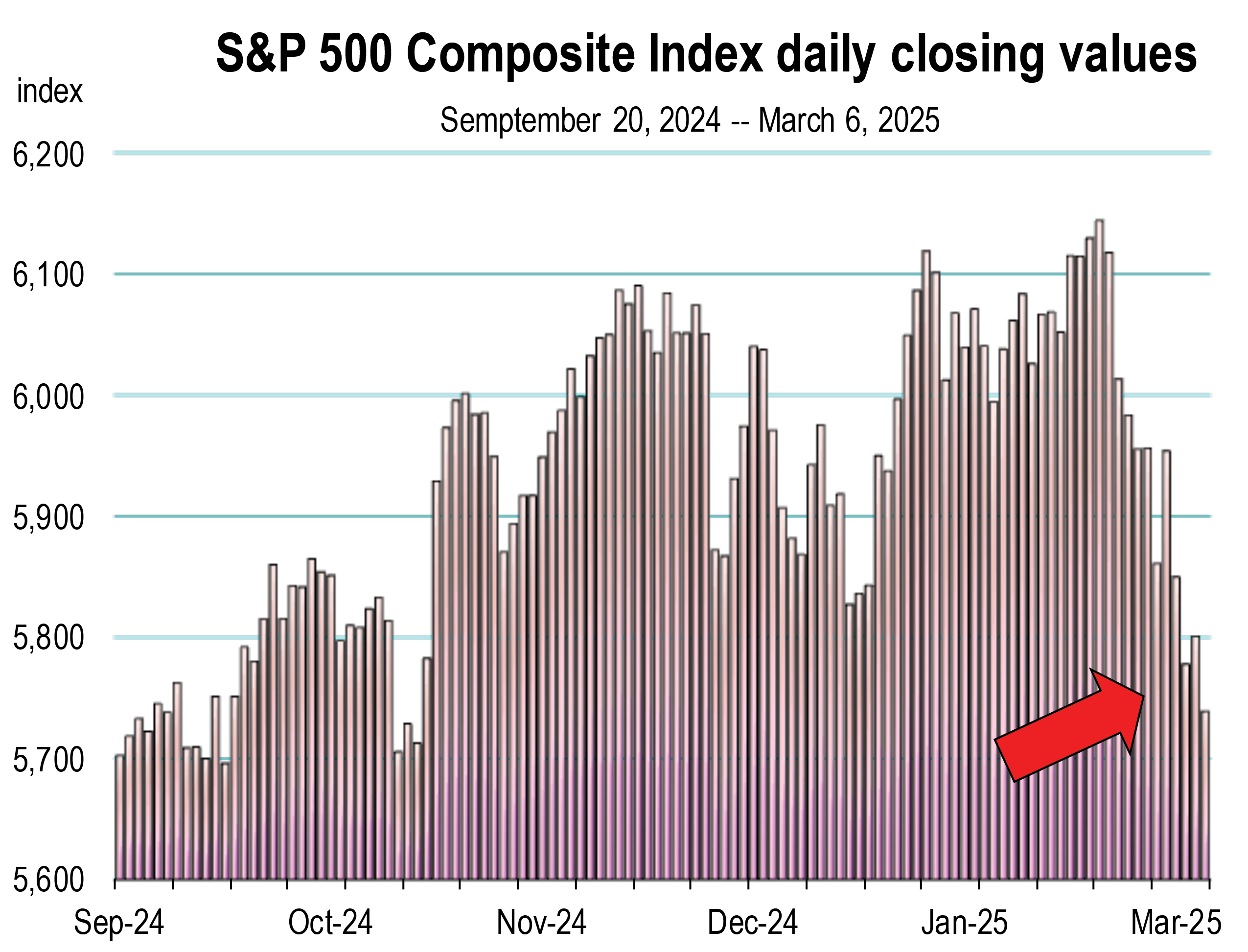
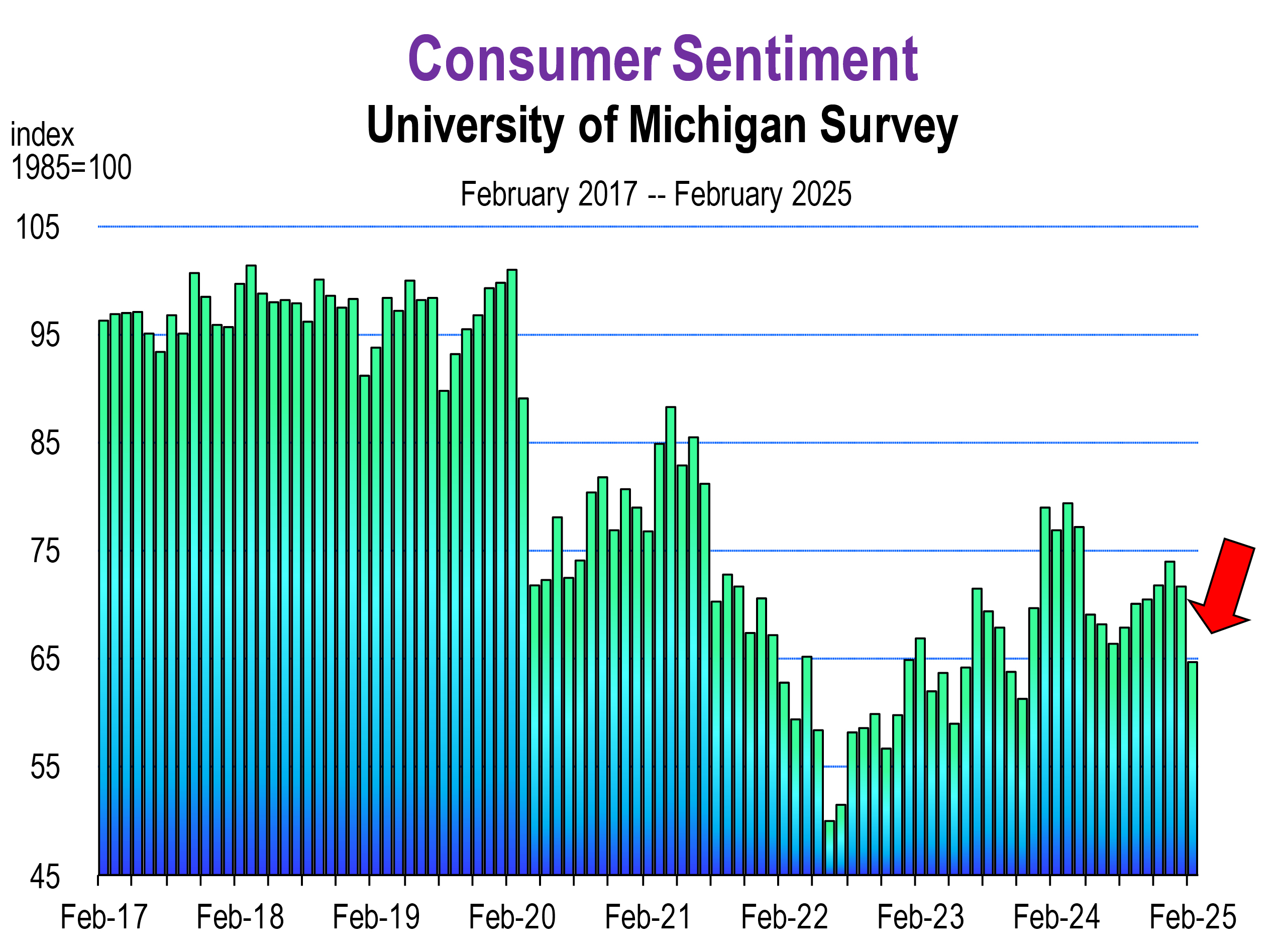 are largely unknown. Just how high and for how long will tariffs will be implemented, and will there be adequate and affordable substitution effects for consumers as alternatives to tariffed goods.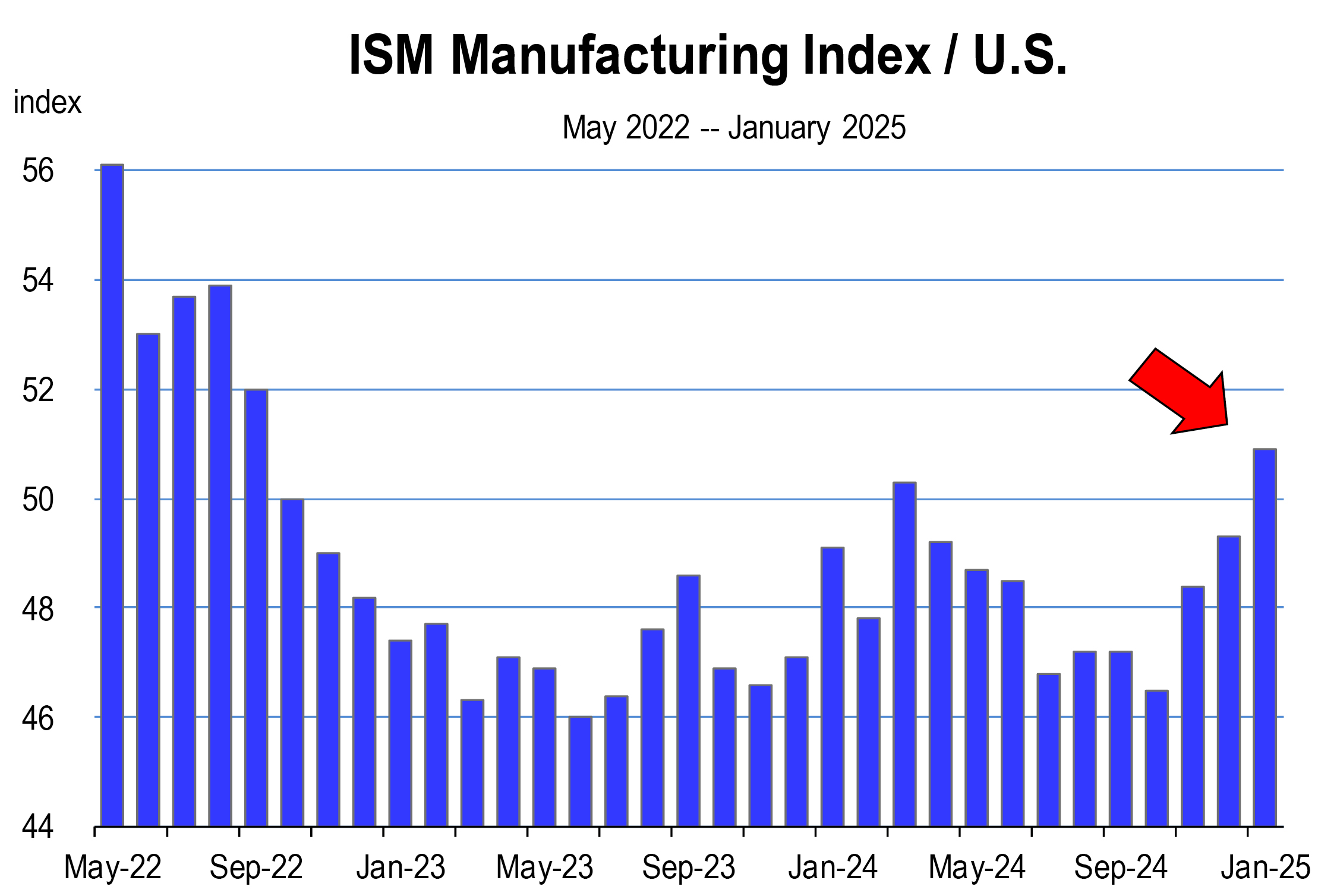
 hiring, quits and layoffs in the labor market. In December, hiring and separations through quits or layoffs both increased. Though still at a modest level, the slower pace of layoffs (which remain historically soft) continue to ensure job growth. The unemployment rate for January slipped further, to 4.0 percent.